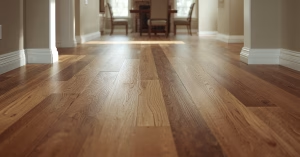
Timber floor restoration is often most effective when it occurs early, before visible wear becomes structural damage. Many homeowners delay action because the floors still feel usable, but small warning signs can indicate that maintenance is overdue. Addressing these issues early can significantly reduce long‑term costs, prevent unnecessary replacement, and extend the life of your existing floors.
This blog outlines five clear signs your timber floors need restoration, why these issues occur, and how timely intervention can save you money while protecting the integrity of your home.
Why timber floor restoration matters
Timber floors are designed to last for decades, but they are not maintenance‑free. Daily foot traffic, furniture movement, sunlight, moisture and seasonal changes all place stress on the surface and protective coatings. Over time, these factors wear down the finish that protects the timber beneath.
When that protective layer fails, the timber itself becomes vulnerable. Scratches deepen, moisture penetrates the boards, and minor surface issues can escalate into cupping, splitting or staining that is far more expensive to resolve.
Regular timber floor restoration helps:
- Preserve the structural integrity of the boards
- Maintain a consistent appearance across the floor
- Reduce the risk of moisture‑related damage
- Avoid the high costs associated with full replacement
Understanding the early signs of wear allows homeowners to act before damage becomes permanent.
Sign 1: Scratches and surface damage are widespread
Some surface scratching is expected with timber floors, particularly in high‑traffic areas. However, when scratches become widespread, deep or uneven across the floor, it often indicates that the protective finish has worn through.
Once the finish is compromised:
- Timber is directly exposed to friction and impact
- Scratches deepen more quickly
- Dirt and moisture are more easily absorbed
At this stage, simple spot repairs or DIY products are unlikely to be effective. Timber floor restoration through professional sanding and refinishing removes surface damage and reinstates a protective coating across the entire floor.
Addressing scratches early prevents further deterioration and reduces the likelihood of needing board repairs or replacement later.
Sign 2: Floors look dull, uneven, faded or orange
A consistent finish plays a major role in how timber floors look and perform. Over time, exposure to sunlight and regular use can cause floors to appear dull, patchy or uneven in colour. In some homes, timber floors may also take on an orange or amber tone that feels dated or heavier than intended.
Common causes include:
- UV exposure fades certain areas more than others
- Wear patterns in walkways and living zones
- Breakdown of older finishes
Uneven appearance is more than a cosmetic issue. It often signals that the finish is no longer providing uniform protection. Timber floor restoration allows the surface to be sanded back and refinished evenly, restoring consistency and helping the floor age more predictably.
Ignoring uneven wear can result in some areas deteriorating faster than others, increasing repair costs down the line.
Sign 3: Stains that won’t come out
Persistent stains are a common sign that timber floors need professional attention. When spills penetrate beyond the surface coating, they can discolour the timber itself.
Typical causes include:
- Water or pet accidents
- Food and drink spills
- Moisture tracked in from outside
If stains remain after cleaning, it usually means the protective layer has failed in that area. Left untreated, moisture‑related staining can lead to swelling, cupping or long‑term discolouration.
Timber floor restoration can often remove or significantly reduce staining by sanding back affected areas and resealing the floor. Acting early improves the chances of successful restoration and avoids the need for board replacement.
Sign 4: Boards feel rough, splintered or uneven
Timber floors should feel smooth and stable underfoot. When boards begin to feel rough, splintered or uneven, it often indicates surface wear or moisture movement within the timber.
This can occur when:
- The finish has completely worn away
- Timber has absorbed moisture and expanded
- Boards have been exposed to repeated temperature changes
Rough or raised boards are not only uncomfortable but can also pose safety risks. Timber floor restoration addresses these issues by sanding the surface back to a uniform level and applying a new protective coating.
If left too long, uneven boards may require individual repairs or replacement, increasing overall costs.
Sign 5: Increased noise or movement in the floor
Creaking, movement or vibration underfoot can be a sign that timber floors are under stress. While some movement is normal, noticeable changes may indicate that boards have shifted due to moisture exposure or prolonged wear.
Potential contributing factors include:
- Loss of structural support due to moisture ingress
- Degraded finishes allow timber to expand and contract
- Long‑term neglect of surface protection
Timber floor restoration alone may not resolve all structural issues, but early intervention allows professionals to assess the floor’s condition and recommend appropriate solutions. Addressing problems at this stage is typically far more cost‑effective than delaying until significant damage occurs.
How early timber floor restoration saves money
One of the most common reasons homeowners delay restoration is cost. Ironically, postponing maintenance often results in higher expenses over time.
Early timber floor restoration can:
- Prevent moisture damage that leads to board replacement
- Reduce the need for structural repairs
- Extend the life of existing flooring by many years
- Maintain property value and presentation
Restoration focuses on renewing the surface and protective layers, which is significantly less expensive than removing and installing new flooring. It also minimises disruption and preserves the home’s original character.
Why professional assessment matters
Not all timber floors require the same approach. The type of timber, the age of the floor, the existing finish, and the level of wear all influence the most suitable restoration method.
A professional assessment helps determine:
- Whether sanding and refinishing is appropriate
- The extent of surface or structural damage
- The best finish for durability and maintenance
- How to prevent similar issues in the future
Engaging a specialist ensures that timber floor restoration is carried out correctly, protecting both the appearance and performance of the floor.
Maintaining your floors after restoration
Once restored, proper care helps maximise the lifespan of your timber floors. Simple maintenance practices include:
- Using protective pads under furniture
- Cleaning with products suitable for timber floors
- Managing moisture levels within the home
- Addressing spills and marks promptly
Regular maintenance reduces wear on the finish and delays the need for future restoration, keeping long‑term costs manageable.
For more tips on maintaining your timber floors, visit here.
Knowing when to act
Timber floors rarely fail without warning. Scratches, fading, stains, rough surfaces and movement all signal that maintenance is overdue. Recognising these signs early allows homeowners to plan restoration before damage becomes extensive or expensive.
Timber floor restoration is not just about appearance. It is a practical investment in the longevity of your floors and the overall condition of your home. Timber is widely recognised as a durable, renewable material when properly maintained, making restoration a more sustainable option than replacement.
Natural Wood Floors provides professional timber floor restoration, maintenance and installation services. Contact the team to arrange an assessment and receive a free quote.